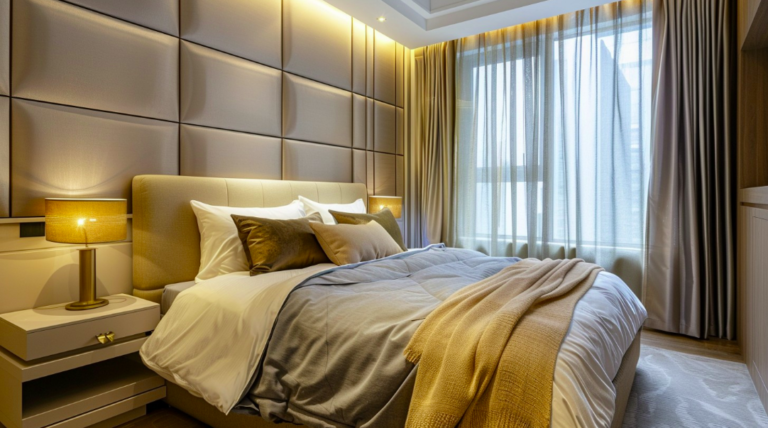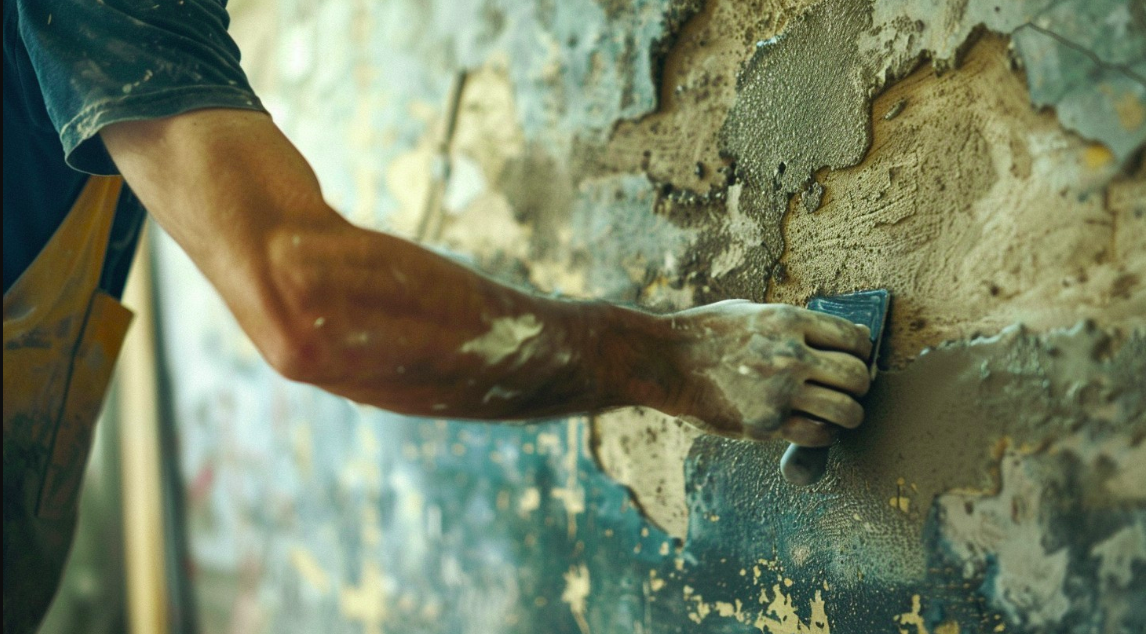
Plaster wall coating is a timeless technique that has been used for centuries to create smooth, durable, and visually appealing walls. Unlike paint, which merely covers the surface, plaster adds texture, strength, and depth, making it a favorite choice for both traditional and modern interiors. From historic buildings to contemporary homes, plaster wall coatings continue to enhance aesthetics and functionality.
What is Plaster Wall Coating?
Plaster wall coating involves applying a mixture of materials—traditionally lime, gypsum, or cement—onto interior or exterior walls. Once applied, it forms a hard, smooth, and often decorative layer. Modern plaster formulations may include acrylics or polymers to improve adhesion, flexibility, and resistance to cracking.
There are different types of plaster coatings:
- Gypsum Plaster: Smooth, lightweight, and easy to apply; ideal for interior walls and ceilings.
- Cement Plaster: Strong and durable; suitable for both interior and exterior walls.
- Lime Plaster: Breathable and eco-friendly; offers a classic aesthetic and prevents moisture buildup.
- Venetian Plaster: Decorative plaster that gives a polished, marble-like finish, often used in luxury interiors.
Benefits of Plaster Wall Coating
Plaster wall coatings provide several advantages over regular paint or wallpaper:
- Durability: Plaster creates a hard, resilient surface that resists scratches, dents, and wear over time.
- Aesthetic Appeal: Various textures and finishes—from smooth to textured—allow creative expression.
- Moisture Control: Certain plasters, like lime plaster, are breathable and help regulate indoor humidity.
- Sound and Thermal Insulation: Thick plaster layers can enhance insulation, reducing noise and improving energy efficiency.
- Easy Maintenance: Plaster walls can last decades with minimal maintenance and can be repainted or polished as needed.
Applications of Plaster Wall Coating
Plaster is versatile and suitable for multiple uses:
- Residential Interiors: Smooth or textured finishes can make living rooms, bedrooms, or hallways visually striking.
- Commercial Spaces: Hotels, offices, and restaurants often use decorative plaster to create luxurious atmospheres.
- Restoration Projects: Historical buildings benefit from traditional lime or gypsum plaster for authentic restoration.
- Exterior Walls: Cement-based plaster protects walls from weather damage while allowing creative textures.
Tips for Applying Plaster Wall Coating
- Surface Preparation: Ensure the wall is clean, dry, and free of dust or loose particles. Any cracks or holes should be patched before plastering.
- Choosing the Right Plaster: Match the plaster type to the wall material and desired finish. For example, gypsum plaster is ideal for smooth interiors, while cement plaster suits exterior walls.
- Application Technique: Use a trowel or hawk to apply plaster evenly. Several thin layers are better than a single thick layer to prevent cracking.
- Curing and Drying: Proper curing is essential for strength. Some plasters require damp curing for several days.
- Finishing Touches: Sanding, polishing, or applying decorative textures can enhance the final look.
Decorative Plaster Techniques
Plaster wall coating is not just functional; it can be a key element of interior design. Popular decorative techniques include:
- Textured Plaster: Adds visual interest with patterns, waves, or rough finishes.
- Venetian Plaster: Polished to a high sheen for a luxurious marble effect.
- Stucco Finish: A rough or patterned finish often used on exterior walls for Mediterranean or rustic styles.
- Color Wash: Pigments or stains can be added to plaster for subtle color variations and artistic effects.
Sustainability and Eco-Friendly Options
Modern trends in plaster wall coating emphasize sustainability. Lime-based plasters are natural, low in carbon emissions, and help regulate indoor air quality. Some manufacturers offer plaster formulations with recycled content or low-VOC compounds, making them safer for the environment and healthier for home interiors.
Conclusion
Plaster wall coating remains a popular choice for homeowners, architects, and designers due to its durability, versatility, and aesthetic potential. Whether you are restoring a historic building, creating a modern interior, or adding decorative touches to exterior walls, plaster offers a timeless solution that combines strength and beauty. Investing in quality plaster and professional application can transform ordinary walls into artistic, long-lasting surfaces.
About the Author