Lighting plays a crucial role in enhancing both the functionality and aesthetics of any space. Among the many lighting options available today, puck lights have gained immense popularity due to their compact size, versatility, and modern appeal. Whether you want to illuminate cabinets, highlight décor, or improve visibility in tight spaces, puck lights are an excellent choice.
In this comprehensive guide, we will explore everything you need to know about puck lights, including their types, benefits, applications, installation, and maintenance.
What Are Puck Lights?
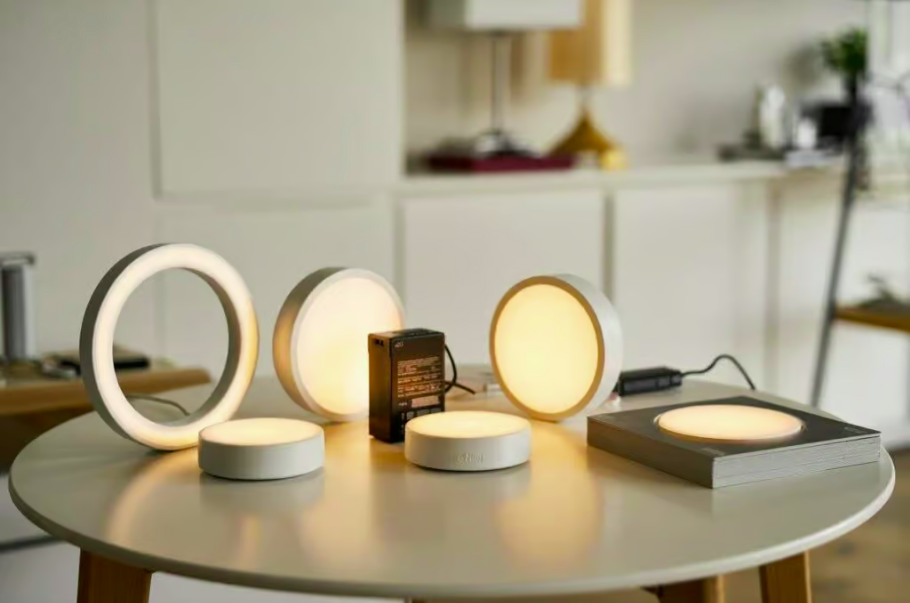
Puck lights are small, round lighting fixtures that resemble the shape of a hockey puck—hence the name. These lights are typically surface-mounted or recessed and are designed to provide focused, localized illumination.
They are commonly used in areas where traditional lighting fixtures may not fit or where targeted lighting is required.
Key Features of Puck Lights
Compact Size
Puck lights are small and unobtrusive, making them ideal for tight spaces.
Focused Lighting
They provide direct and concentrated light, perfect for task lighting.
Energy Efficiency
Most modern puck lights use LED technology, which consumes less energy.
Easy Installation
They are generally simple to install and require minimal tools.
Versatile Design
Available in various finishes and styles to match different interiors.
Types of Puck Lights
Understanding the different types of puck lights can help you choose the best option for your needs.
1. Wired Puck Lights
These are connected directly to your home’s electrical system. They offer consistent power and are suitable for permanent installations.
2. Battery-Operated Puck Lights
Powered by batteries, these lights are easy to install without wiring. Ideal for temporary or portable use.
3. Rechargeable Puck Lights
These come with built-in rechargeable batteries and can be charged via USB.
4. LED Puck Lights
Energy-efficient and long-lasting, LED puck lights are the most popular option today.
5. Dimmable Puck Lights
Allow you to adjust brightness levels according to your preference.
6. Motion Sensor Puck Lights
Automatically turn on when motion is detected, perfect for closets and hallways.
Common Applications of Puck Lights
Puck lights are widely used in both residential and commercial spaces:
Under Cabinet Lighting
One of the most popular uses, especially in kitchens, to improve visibility on countertops.
Closet Lighting
Perfect for illuminating dark closets and wardrobes.
Display Lighting
Used to highlight artwork, shelves, or decorative items.
Stair Lighting
Enhances safety by lighting up steps.
RV and Camper Lighting
Compact size makes them ideal for small spaces like RVs.
Bathroom Lighting
Used around mirrors or under cabinets for additional brightness.
Advantages of Puck Lights
1. Space-Saving Design
Their small size allows installation in tight or hidden areas.
2. Easy to Install
Many models require no wiring, making them DIY-friendly.
3. Energy Efficient
LED puck lights consume less power and last longer.
4. Affordable
Available in a wide range of prices to suit different budgets.
5. Customizable Lighting
Options like dimming and color temperature adjustment enhance flexibility.
Disadvantages of Puck Lights
While puck lights offer many benefits, there are some limitations:
- Limited light coverage compared to larger fixtures
- Battery-operated models require frequent battery changes
- Wired installation may need professional help
- Lower-quality models may have uneven lighting
How to Choose the Right Puck Lights
Selecting the right puck lights depends on your specific needs:
Power Source
Choose between wired, battery-operated, or rechargeable options.
Brightness
Measured in lumens—higher lumens mean brighter light.
Color Temperature
Warm light for cozy spaces, cool light for task areas.
Mounting Type
Surface-mounted or recessed depending on design preference.
Additional Features
Look for features like remote control, dimming, or motion sensors.
Installation Guide
Installing puck lights is relatively simple, especially for battery-operated models.
Step 1: Plan Placement
Decide where you want to install the lights for optimal coverage.
Step 2: Measure and Mark
Ensure even spacing for a balanced look.
Step 3: Install Mounting Hardware
Use screws or adhesive backing depending on the model.
Step 4: Connect Power
For wired lights, connect to the power source. For battery lights, insert batteries.
Step 5: Test the Lights
Turn them on to ensure proper operation.
Maintenance Tips
Proper maintenance ensures long-lasting performance:
- Clean lights regularly to remove dust
- Replace batteries when needed
- Check wiring connections periodically
- Avoid exposure to excessive moisture
- Use quality products for better durability
Puck Lights vs Other Lighting Options
Compared to other lighting types:
- Vs Strip Lights: Puck lights provide more focused lighting
- Vs Ceiling Lights: Better for task-specific illumination
- Vs Lamps: More space-efficient and discreet
Each option has its own advantages, but puck lights excel in targeted lighting.
When Should You Use Puck Lights?
Puck lights are ideal when:
- You need focused lighting in small areas
- Installing traditional fixtures is difficult
- You want to highlight specific objects
- You prefer a modern and minimalistic look
Conclusion
Puck lights are a smart and stylish lighting solution for modern homes and workspaces. Their compact design, ease of installation, and versatility make them suitable for a wide range of applications—from kitchens and closets to display areas and staircases.
By understanding the different types, features, and installation methods, you can choose the perfect puck lights to enhance both the functionality and appearance of your space. Whether you are upgrading your home lighting or starting a new project, puck lights offer a practical and efficient solution.
About the Author