Recessed lighting is one of the most popular and modern lighting solutions used in homes, offices, and commercial spaces. Known for its clean and minimal appearance, recessed lighting provides illumination without taking up visual space, making it ideal for contemporary interior designs.
Whether you’re renovating your home or designing a new space, understanding recessed lighting can help you create a well-lit, stylish, and functional environment.
What is Recessed Lighting?
Recessed lighting, also known as can lighting or downlighting, consists of light fixtures installed directly into the ceiling. Unlike traditional lighting fixtures that hang down, recessed lights are hidden within the ceiling, leaving only the trim and light visible.
This type of lighting provides a sleek and unobtrusive look while delivering effective illumination.
Components of Recessed Lighting
Recessed lighting fixtures typically consist of three main components:
1. Housing
The part installed inside the ceiling that holds the electrical components and light bulb.
2. Trim
The visible part of the fixture that sits flush with the ceiling and determines the style and light direction.
3. Bulb or Light Source
Usually LED, halogen, or incandescent bulbs, with LED being the most common due to energy efficiency.
Types of Recessed Lighting
There are several types of recessed lighting, each serving different purposes:
1. Fixed Recessed Lights
These lights point straight down and provide general lighting for a room.
2. Adjustable (Gimbal) Lights
These can be tilted to direct light toward specific areas, making them ideal for highlighting artwork or focal points.
3. Wall-Wash Lights
Designed to spread light evenly across a wall, enhancing textures and colors.
4. Shower and Wet-Rated Lights
These are moisture-resistant and suitable for bathrooms and outdoor covered areas.
5. Baffle Trim Lights
Designed to reduce glare by absorbing excess light.
6. Reflector Trim Lights
Enhance brightness by reflecting more light downward.
Advantages of Recessed Lighting
1. Clean and Modern Appearance
Recessed lights blend seamlessly into the ceiling, offering a minimalist design.
2. Space-Saving
They don’t take up any physical or visual space.
3. Versatility
Suitable for almost any room, including kitchens, living rooms, and bathrooms.
4. Even Lighting Distribution
Provides uniform lighting across the entire space.
5. Energy Efficiency
Modern recessed lighting uses LED technology, reducing electricity consumption.
Disadvantages of Recessed Lighting
While recessed lighting is highly effective, it has some drawbacks:
- Installation can be complex and costly
- Requires access to ceiling space
- Improper placement can create shadows or uneven lighting
- Fixed lights cannot be adjusted once installed
Where to Use Recessed Lighting
Recessed lighting is versatile and can be used in many areas:
Living Room
Provides ambient lighting and highlights design features.
Kitchen
Used for task lighting over countertops and islands.
Bathroom
Moisture-resistant recessed lights work well in showers and vanity areas.
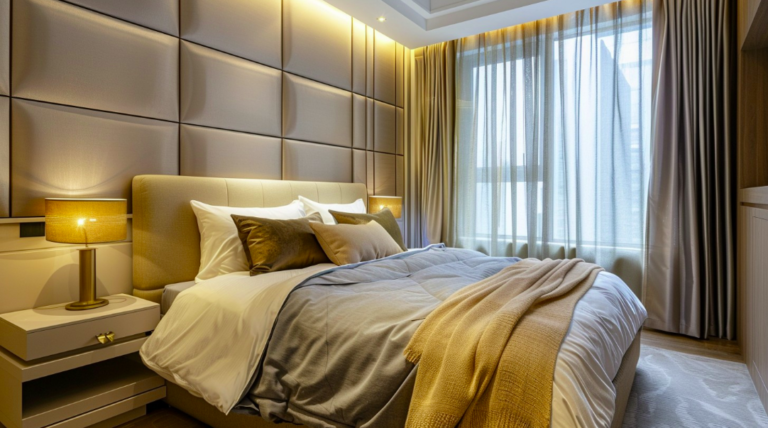
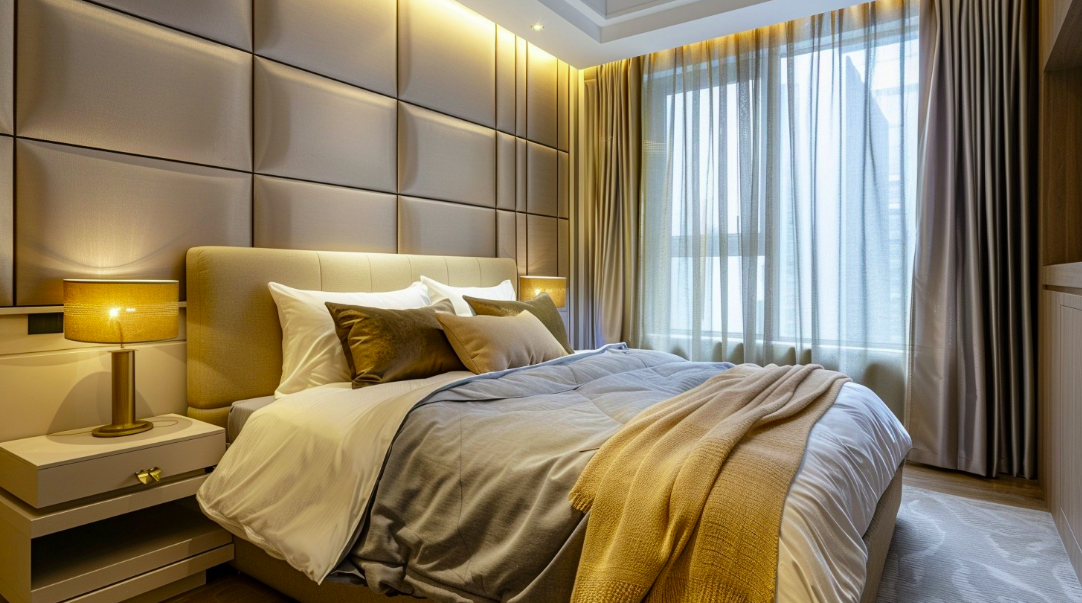
Bedroom
Creates soft and relaxing lighting.
Hallways and Corridors
Improves visibility and safety.
Offices
Provides bright, even lighting for workspaces.
How to Plan Recessed Lighting Layout
Proper planning is essential for effective lighting:
1. Determine Purpose
Decide whether you need ambient, task, or accent lighting.
2. Spacing Between Lights
Typically, recessed lights should be spaced about 4–6 feet apart, depending on ceiling height.
3. Ceiling Height Consideration
Higher ceilings require more powerful or closely spaced lights.
4. Avoid Shadows
Place lights strategically to prevent dark spots.
5. Choose the Right Size
Common sizes include 4-inch, 5-inch, and 6-inch fixtures.
Installation Guide
Installing recessed lighting requires careful planning and electrical knowledge.
Step 1: Turn Off Power
Always ensure the electricity is turned off before starting.
Step 2: Mark Locations
Plan and mark where each light will be installed.
Step 3: Cut Ceiling Holes
Use the correct template to cut openings in the ceiling.
Step 4: Install Housing
Secure the housing inside the ceiling.
Step 5: Connect Wiring
Connect the wiring according to electrical standards.
Step 6: Insert Trim and Bulb
Install the trim and insert the light bulb.
⚠️ If you are not experienced with electrical work, it is recommended to hire a professional electrician.
Recessed Lighting vs Traditional Lighting
| Feature | Recessed Lighting | Traditional Lighting |
|---|---|---|
| Appearance | Minimalist | Visible fixtures |
| Space Usage | Saves space | Takes up space |
| Installation | Complex | Easier |
| Flexibility | Limited after install | Can be moved easily |
| Light Distribution | Even | Varies |
Recessed lighting is ideal for modern designs, while traditional lighting offers more decorative options.
Tips for Choosing Recessed Lighting
Choose LED Lights
LEDs are energy-efficient and long-lasting.
Consider Color Temperature
- Warm light (2700K–3000K) for cozy spaces
- Cool light (4000K–5000K) for work areas
Look for Dimmable Options
Allows you to adjust brightness based on mood.
Check Compatibility
Ensure fixtures match your ceiling type and wiring.
Maintenance Tips
Recessed lighting requires minimal maintenance:
- Clean trim and covers regularly
- Replace bulbs when needed
- Check for flickering or electrical issues
- Ensure proper insulation around fixtures
Common Mistakes to Avoid
- Installing too many or too few lights
- Poor spacing between fixtures
- Ignoring ceiling height
- Using incorrect bulb type
- Improper electrical connections
These mistakes can affect lighting quality and safety.
Conclusion
Recessed lighting is a stylish, efficient, and versatile lighting solution that enhances both the functionality and appearance of any space. Its ability to blend seamlessly into ceilings while providing excellent illumination makes it a popular choice in modern interior design.
By carefully planning the layout, choosing the right type of fixtures, and following proper installation practices, you can achieve a beautifully lit space that meets your needs.
Whether you are designing a new home or upgrading your lighting, recessed lighting offers a perfect balance of aesthetics and performance.
About the Author