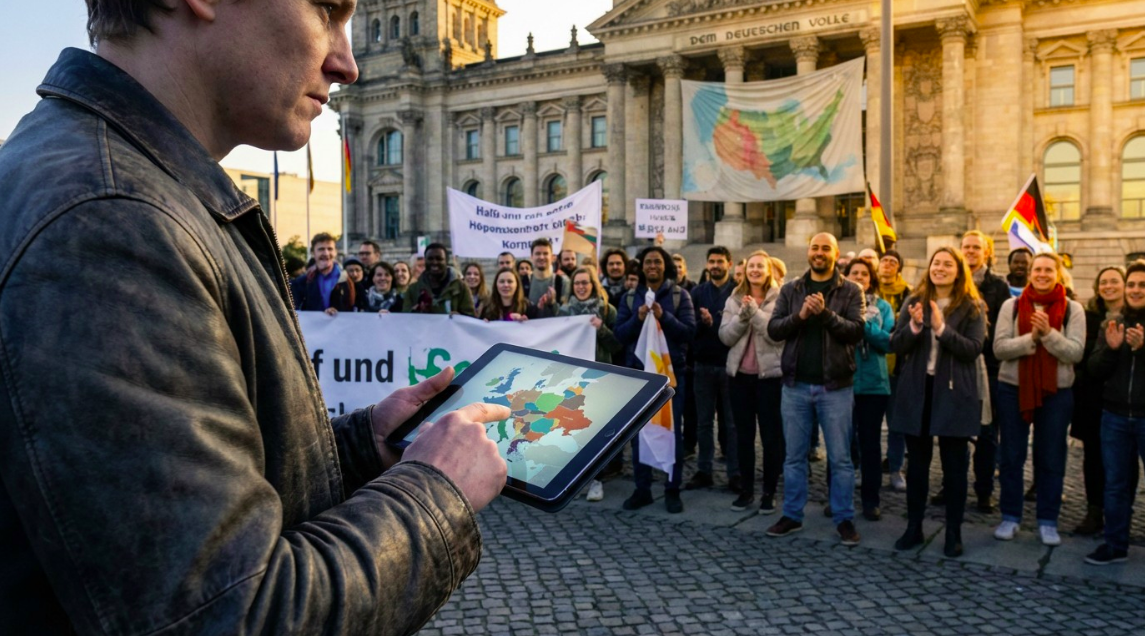
In modern democracies, the way votes are counted and represented is just as important as the votes themselves. One of the most critical elements in this process is the concept of voting districts. The keyword “Voting Districts NYT” has gained popularity as readers turn to trusted journalism sources like The New York Times for clear explanations, analysis, and updates on electoral systems. This article explores what voting districts are, why they matter, and how coverage by major media outlets helps the public understand their impact.
What Are Voting Districts?
Voting districts, also known as electoral districts, are geographically defined areas used to organize elections. Each district elects representatives who serve in legislative bodies such as Congress, state assemblies, or local governments. The population within a district votes for candidates, and the winner represents that specific area.
The purpose of dividing regions into districts is to ensure fair and organized representation. Ideally, each district should have a roughly equal population so that every vote carries similar weight. However, the way these districts are drawn can significantly influence election outcomes.
Why Voting Districts Matter
Voting districts are fundamental to democratic representation. They determine how political power is distributed and how effectively citizens’ voices are heard. When districts are fairly drawn, they promote balanced representation. But when manipulated, they can distort election results.
This is where the issue of fairness becomes important. Unequal or biased district boundaries can lead to situations where a party gains more seats than its share of votes would justify. This undermines the principle of equal representation and can weaken public trust in the electoral system.
The Role of NYT in Explaining Voting Districts
The New York Times (NYT) has become a key source for understanding complex political topics, including voting districts. Through detailed articles, interactive maps, and expert analysis, the NYT helps readers visualize how districts are structured and how they affect elections.
One of the strengths of NYT coverage is its use of data-driven storytelling. Instead of just explaining concepts, it provides real-world examples, showing how district boundaries change over time and how those changes influence election outcomes. This makes it easier for readers to grasp the importance of voting districts.
Redistricting: A Critical Process
Redistricting is the process of redrawing district boundaries, typically after a national census. Since populations shift over time, districts must be updated to maintain equal representation. In the United States, this process usually occurs every ten years.
While redistricting is necessary, it can also be controversial. Political parties often try to influence how districts are drawn to benefit their candidates. This leads to one of the most debated topics in modern politics: gerrymandering.
Gerrymandering and Its Impact
Gerrymandering refers to the deliberate manipulation of district boundaries to favor a particular political party or group. This can be done by concentrating opposition voters into a few districts or spreading them thinly across many districts.
NYT coverage often highlights examples of gerrymandering, using visual maps to show oddly shaped districts that indicate possible manipulation. These reports help raise awareness about how such practices can undermine fair elections.
The impact of gerrymandering is significant. It can lead to uncompetitive elections, reduce accountability, and create a political system that does not accurately reflect the will of the people.
How Technology Enhances Understanding
Modern technology has transformed how voting districts are analyzed and presented. Interactive maps and digital tools allow users to explore district boundaries in detail. The NYT is known for using advanced graphics and user-friendly interfaces to make complex information accessible.
Readers can zoom into specific areas, compare historical data, and see how different redistricting scenarios might affect election results. This level of engagement helps people better understand the stakes involved in district design.
Voting Districts and Public Awareness
Public awareness is essential for maintaining a healthy democracy. When people understand how voting districts work, they are more likely to participate in discussions and advocate for fair practices.
Media coverage plays a vital role in this process. By explaining technical concepts in simple terms, outlets like the NYT empower citizens to stay informed and engaged. This is particularly important during election cycles when district boundaries can directly influence outcomes.
Challenges in Maintaining Fair Districts
Ensuring fairness in voting districts is not easy. There are several challenges, including political pressure, legal disputes, and demographic complexities. Courts often become involved in resolving disputes over district boundaries.
Another challenge is balancing different factors, such as population equality, geographic continuity, and community representation. Achieving all these goals simultaneously can be difficult, which is why redistricting remains a contentious issue.
The Global Perspective
While this article focuses mainly on the United States, voting districts are used in many countries around the world. Each country has its own system and rules for drawing districts, but the core idea remains the same: organizing voters into manageable groups for fair representation.
International comparisons often appear in NYT analysis, helping readers understand how different systems address similar challenges. This broader perspective highlights both the strengths and weaknesses of various approaches.
The Future of Voting Districts
As populations grow and technology advances, the future of voting districts will continue to evolve. There is increasing demand for transparency and fairness in the redistricting process. Independent commissions, rather than political bodies, are being considered in some regions to reduce bias.
Technology may also play a role in improving fairness. Algorithms and data analysis can help create more balanced districts, although they are not without their own limitations and controversies.
Conclusion
The topic of “Voting Districts NYT” reflects a growing interest in understanding how electoral systems work and how they influence democracy. Voting districts are more than just lines on a map—they are powerful tools that shape political representation and decision-making.
Through detailed reporting and innovative storytelling, the NYT has helped bring this important issue into public focus. By educating readers about voting districts, redistricting, and gerrymandering, it encourages informed participation in the democratic process.
Ultimately, fair voting districts are essential for ensuring that every vote counts equally. As awareness continues to grow, so does the potential for creating a more transparent and representative electoral system.
About the Author