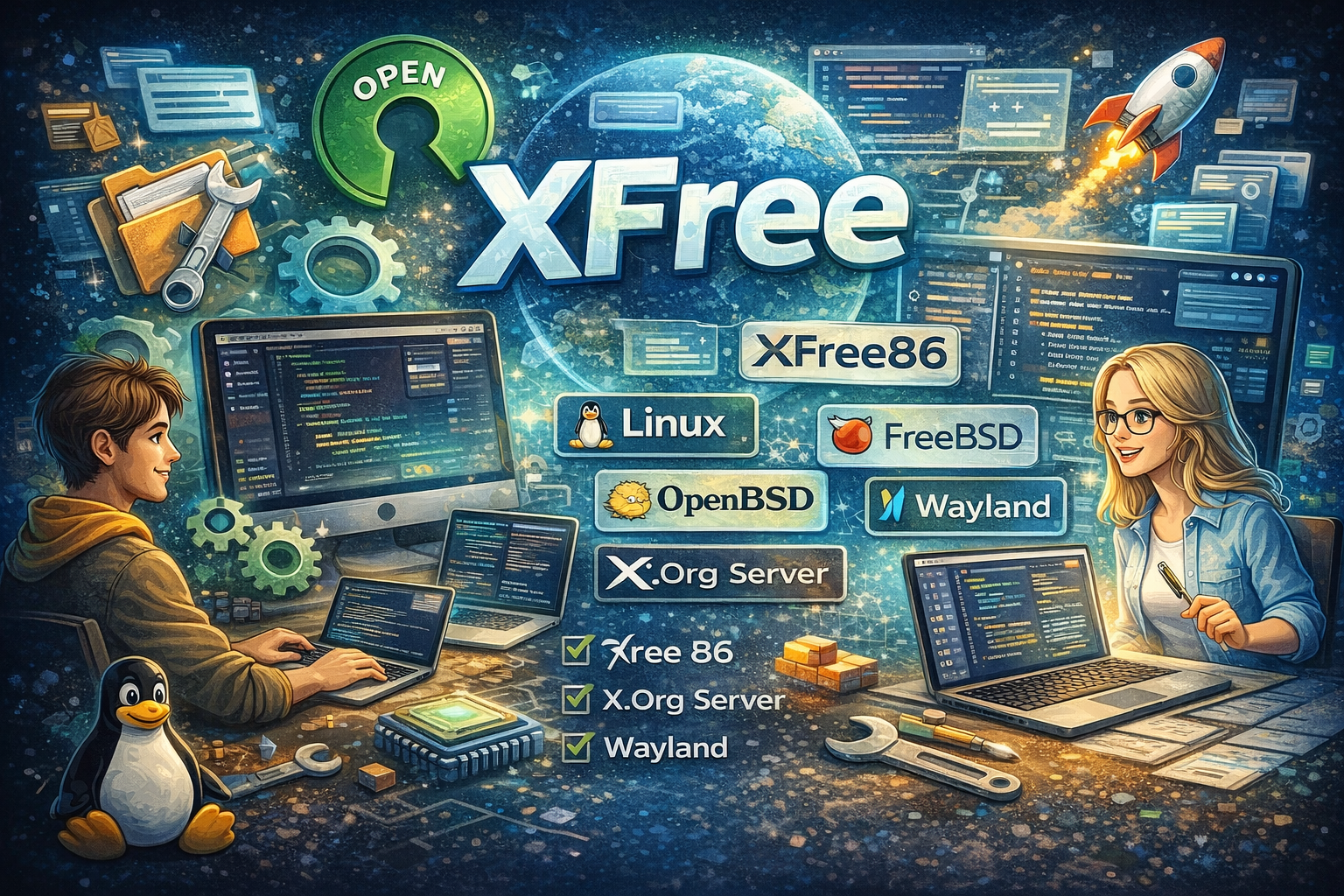
The term XFree is searched frequently on the internet, and it can refer to different concepts depending on the context. In technology, software, and online platforms, the word “XFree” is often associated with free services, open-source tools, or platforms that provide digital resources without cost.
In this article, we will explore what XFree means, where it is used, and why the keyword is becoming more popular online.
What Is XFree?
XFree generally refers to something that is available free of cost or without restrictions. In technology discussions, it is commonly linked to open-source projects or services that allow users to access software without paying licensing fees.
One well-known example related to the keyword is XFree86, an open-source implementation of the X Window System, which was widely used on UNIX and Linux operating systems.
History of XFree in Technology
The most notable use of the term appeared with XFree86, a project that provided graphical user interface support for UNIX-like operating systems. This software helped users run graphical applications instead of working only with command-line interfaces.
The project played an important role in the early development of the Linux desktop environment and influenced later graphical systems.
How XFree Technology Works
Systems related to XFree technologies work by providing a graphical layer between the computer hardware and user applications. This allows programs to display windows, menus, icons, and graphical elements.
Key components include:
-
Display servers
-
Window management systems
-
Input device handling
-
Graphics drivers
These components allow users to interact with their computers visually rather than through text-only commands.
Importance of XFree in Open Source Development
The XFree concept is important in the world of open-source software because it represents the idea of freely available technology that developers can modify and improve.
Open-source communities often collaborate to improve such software, creating more stable and efficient systems over time.
Popular operating systems influenced by XFree technology include:
-
Linux
-
FreeBSD
-
OpenBSD
These platforms rely on graphical systems derived from earlier XFree technologies.
Modern Alternatives to XFree
Although XFree86 was widely used in the past, modern graphical systems have evolved beyond it. Newer technologies provide better performance and improved compatibility with modern hardware.
Some examples include:
-
X.Org Server
-
Wayland
These systems are now commonly used in modern Linux distributions.
Why the Keyword “XFree” Is Popular
Search interest in the keyword XFree can come from several sources:
-
Users researching open-source software
-
Developers learning about Linux graphical systems
-
Students studying computer operating systems
-
People looking for free digital tools
Because of its association with free technology and open development, the keyword remains relevant in technical discussions.
Advantages of XFree Technologies
Technologies related to XFree offer several benefits:
-
Free access to software
-
Open-source customization
-
Strong developer community
-
Compatibility with multiple operating systems
These advantages helped shape the modern open-source ecosystem.
Conclusion
The keyword XFree is closely connected to the history of open-source software and graphical systems used in UNIX and Linux environments. Projects such as XFree86 played a major role in bringing graphical interfaces to open operating systems.
Although newer technologies have replaced older systems, the influence of XFree continues to shape modern computing environments.
About the Author